


.jpg?width=1600&height=1067&name=nihi_sumba_familienluxusreisen%20(17).jpg)

We need to know your children's ages at the time of departure to find accommodation of the right size and determine the correct price.
Kenya
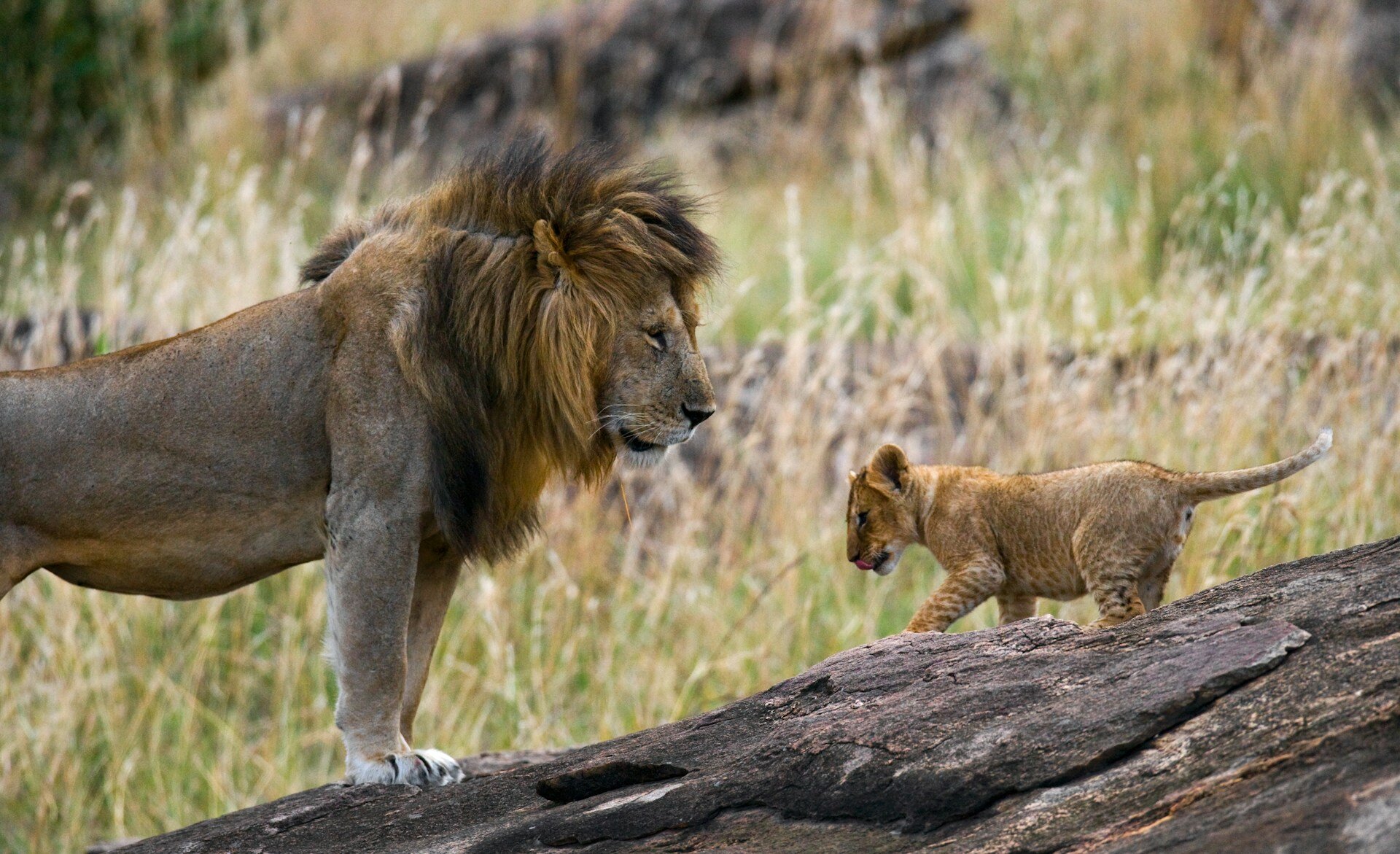
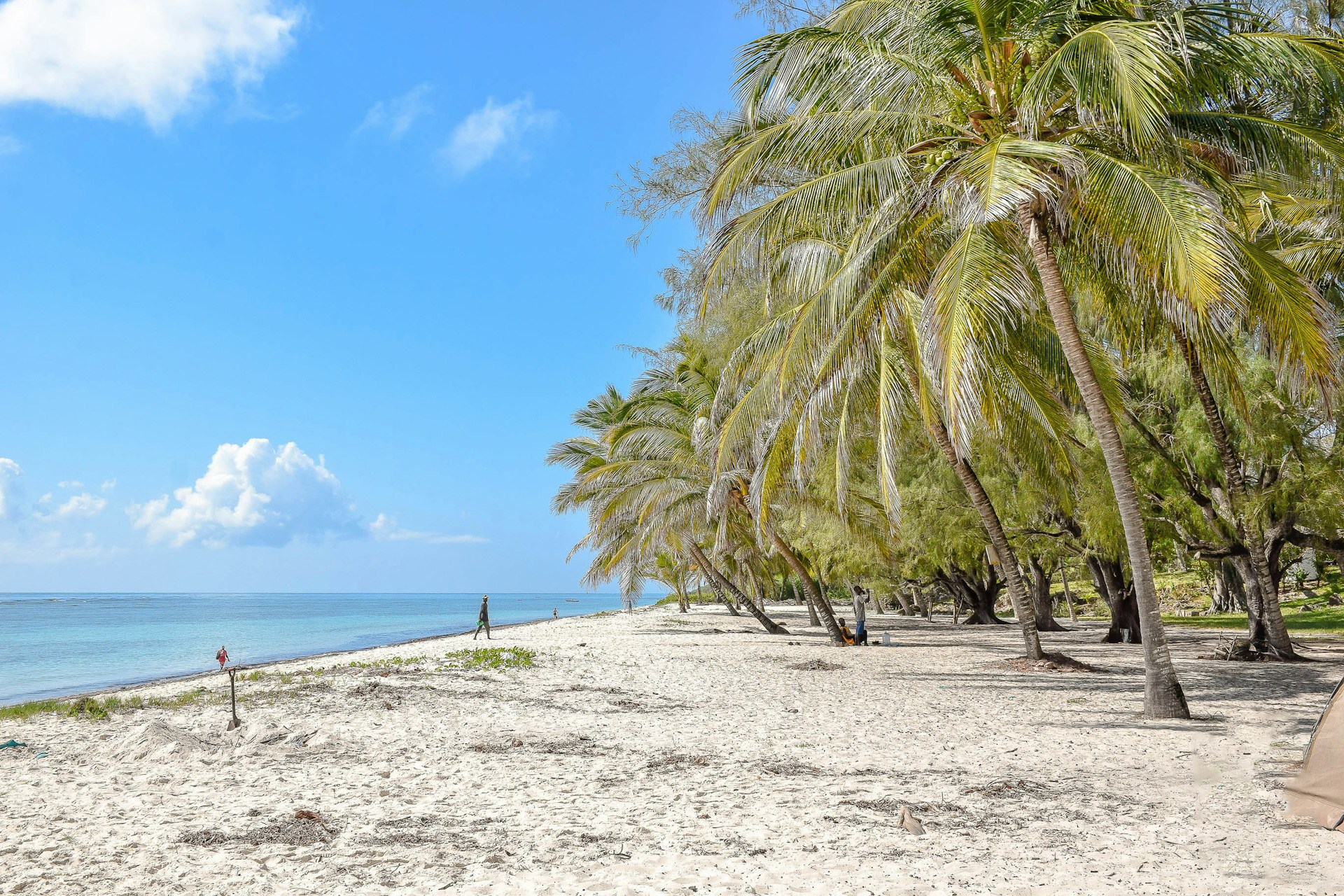
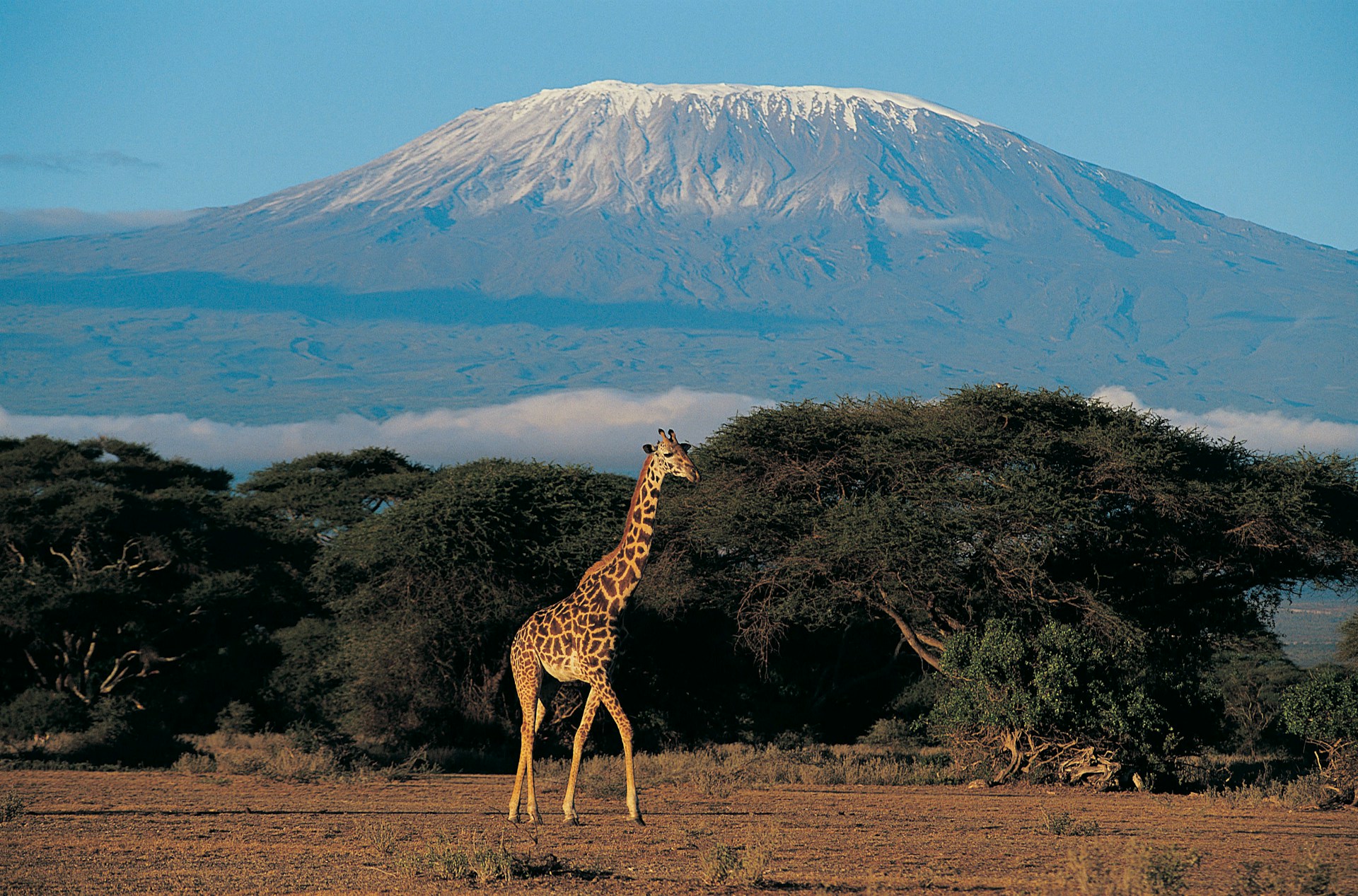
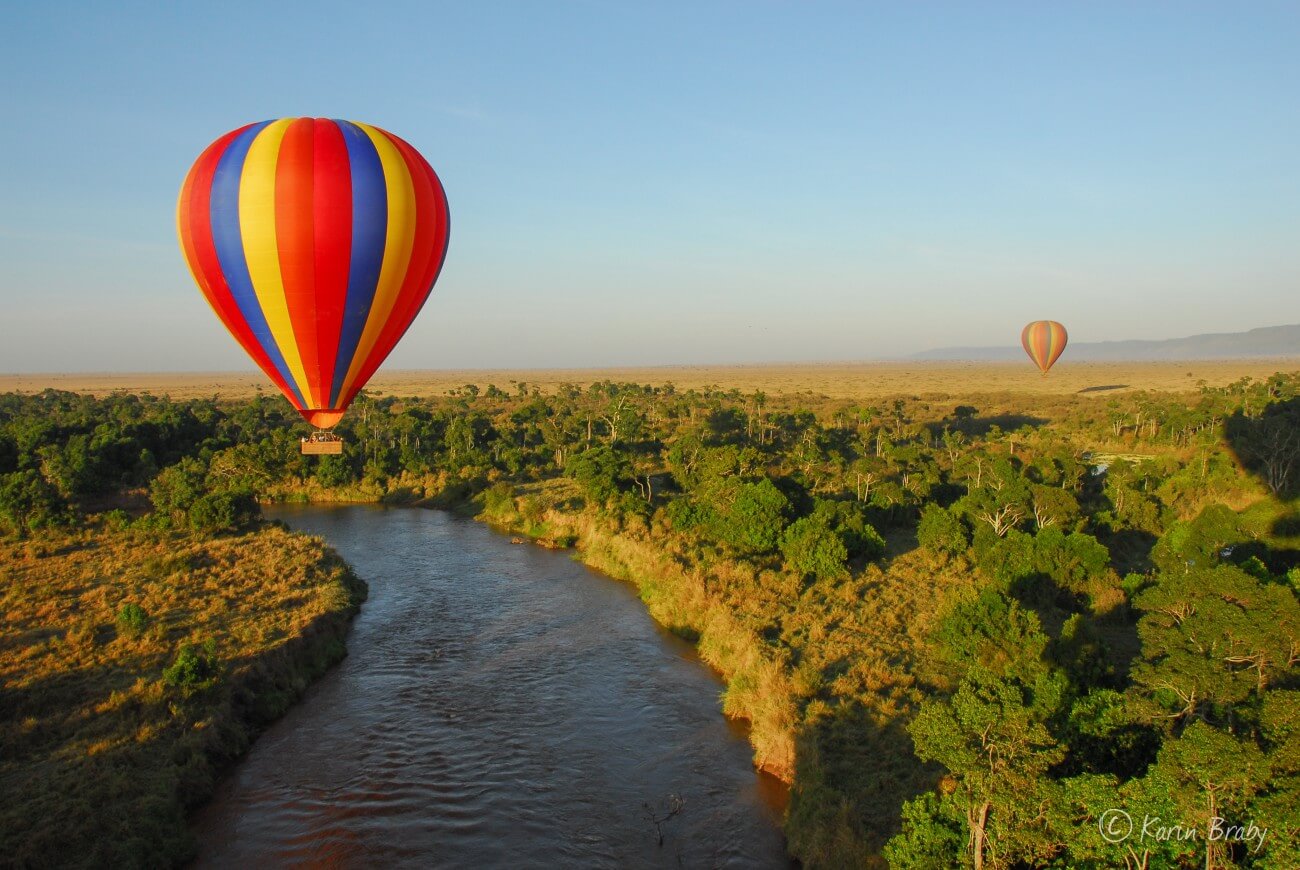
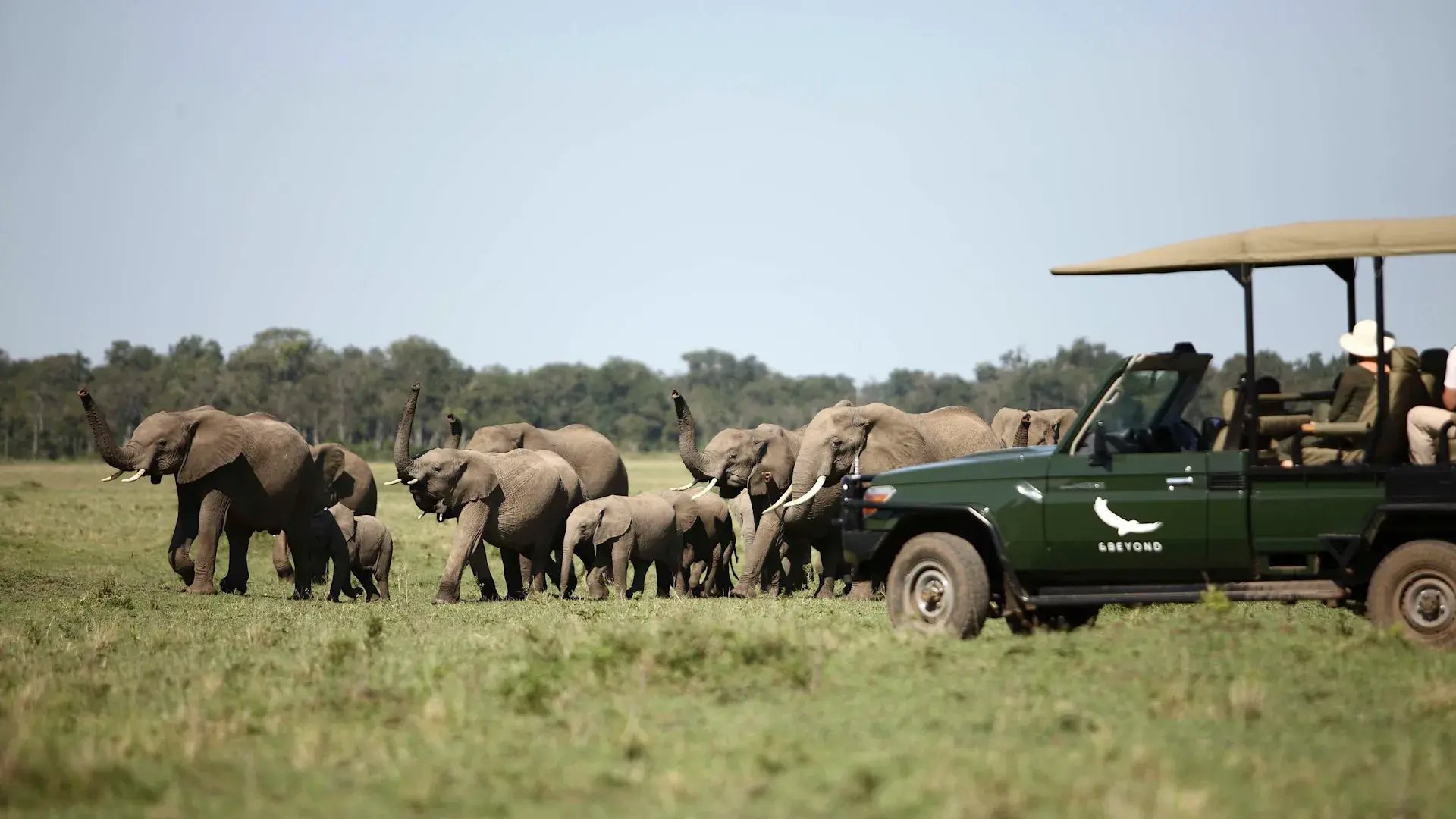
Kenya captivates with landscapes of striking contrast: coastal stretches with extraordinary coral reefs, islands fringed by powder-white beaches, vast savannahs, snow-capped peaks, dramatic deserts and tropical jungle. The Great Migration is arguably Kenya’s most spectacular safari experience, if not one of Africa’s greatest. Each year, millions of wildebeest, zebras, Thomson’s gazelles and elands move across the plains of the Serengeti into the Masai Mara National Reserve. In doing so, they cross the border between Tanzania and Kenya and must brave the Mara River, a formidable obstacle with steep banks, strong currents and a large crocodile population. This great migration also draws lions and other predators. The timing of the migration depends on the annual rains and can vary considerably. The best chance of witnessing the Great Migration is between July and September.
Best time to travel
The best time to visit Kenya is during the dry season from December to March, as well as from June to October. During the dry season, expect long, sunny days and very little rainfall – perfect for observing Kenya’s extraordinary wildlife. Even in the remaining months, travel is still very possible, as rain usually falls in the afternoons and at night.
Average season
Good season
Best season
Browse our exclusive selection
of hotels in Kenya
We are happy to advise you. Call us: 08638 / 87 55 2 30
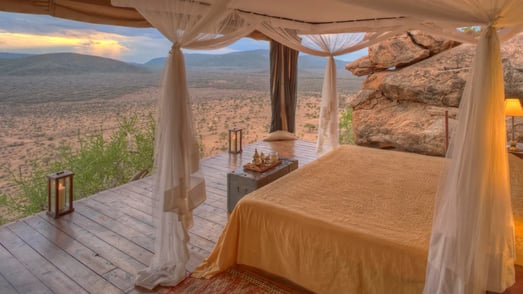
Saruni Samburu
Samburu
Experience sweeping views across the Samburu savannah and the unique culture of the Samburu people at Saruni Samburu, a luxurious refuge in Kenya’s wilderness.
To the hotel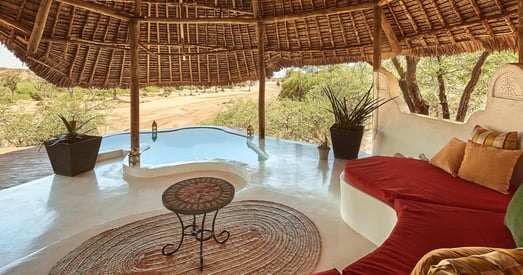
Sasaab Camp
Samburu
Discover the harmonious meeting of Moroccan architecture and African wilderness at Sasaab Camp, overlooking the Ewaso Nyiro River and the Samburu plains.
To the hotel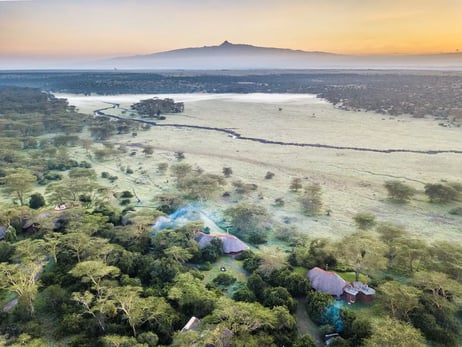
Solio Lodge
Laikipia
Hidden in the heart of a private rhino reserve, Solio Lodge offers exclusive encounters with Kenya’s extraordinary wildlife and a luxurious retreat in equal measure.
To the hotel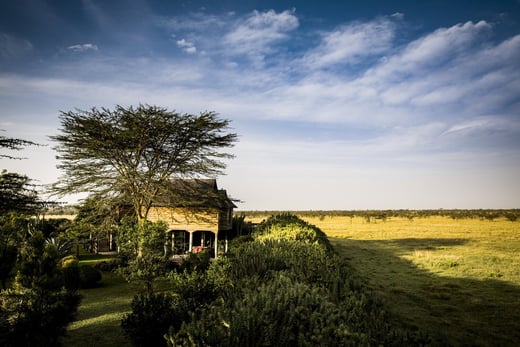
Segera Retreat
Laikipia
Art, culture and sustainable luxury await at Segera Retreat, an elegant hideaway in Kenya’s Laikipia region with views of Mount Kenya.
To the hotel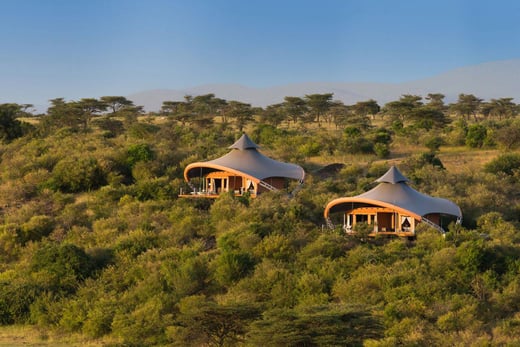
Mahali Mzuri
Masai Mara
Distinctive safari adventures await at Mahali Mzuri, Sir Richard Branson’s Kenyan luxury camp, with unrivalled views across the endless sweep of the Maasai Mara.
To the hotel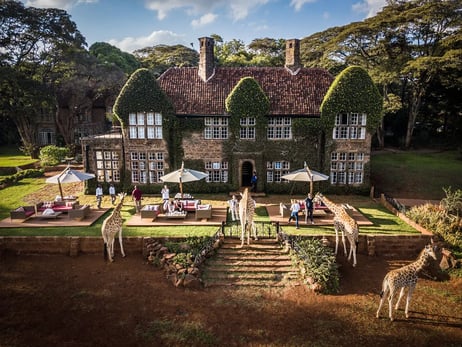
Giraffe Manor
Nairobi
At Giraffe Manor, you experience the magic of Africa up close as Rothschild giraffes join you for breakfast. A unique stay awaits in the heart of Nairobi.
To the hotel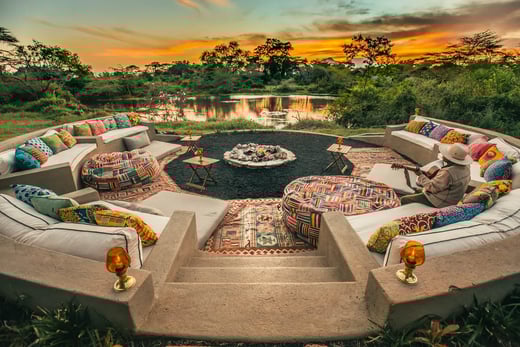
Finch Hattons Luxury Camp
Tsavo
Discover the elegance of a bygone age at Finch Hattons, a camp that blends modern luxury with colonial charm in the untouched wilderness of Tsavo.
To the hotel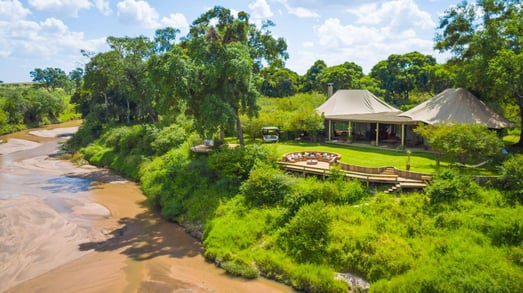
Sala’s Camp
Masai Mara
Experience the magic of the Maasai Mara at Sala’s Camp, where the stillness of the savannah and the thrill of wildlife encounters meet in exceptional comfort.
To the hotel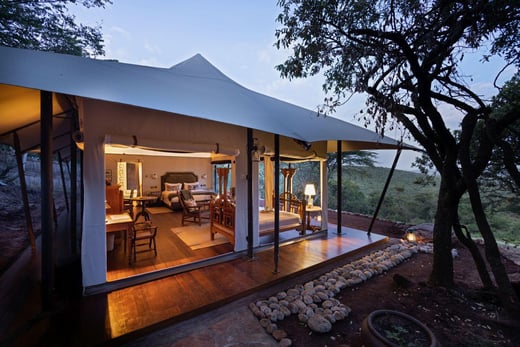
Cottar’s
Masai Mara
Cottar’s 1920s Camp transports you into the romance of safaris past, surrounded by the extraordinary landscapes of the Maasai Mara and the Serengeti ecosystem.
To the hotel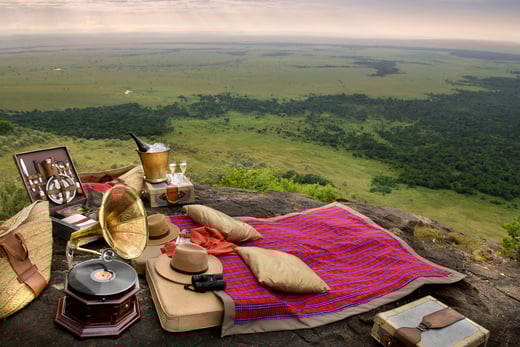
Angama Mara
Masai Mara
Float above the Maasai Mara at Angama Mara, a luxurious camp with panoramic views that draw you into the drama of the African plains.
To the hotel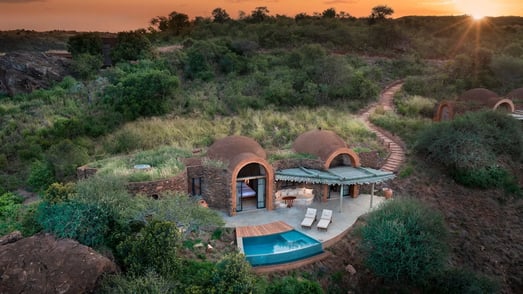
andBeyond Suyian Lodge
Samburu
&Beyond Suyian Lodge vereint exklusive Suiten, private Pools und unvergessliche Safari-Erlebnisse in der atemberaubenden Wildnis Nord-Kenias.
To the hotel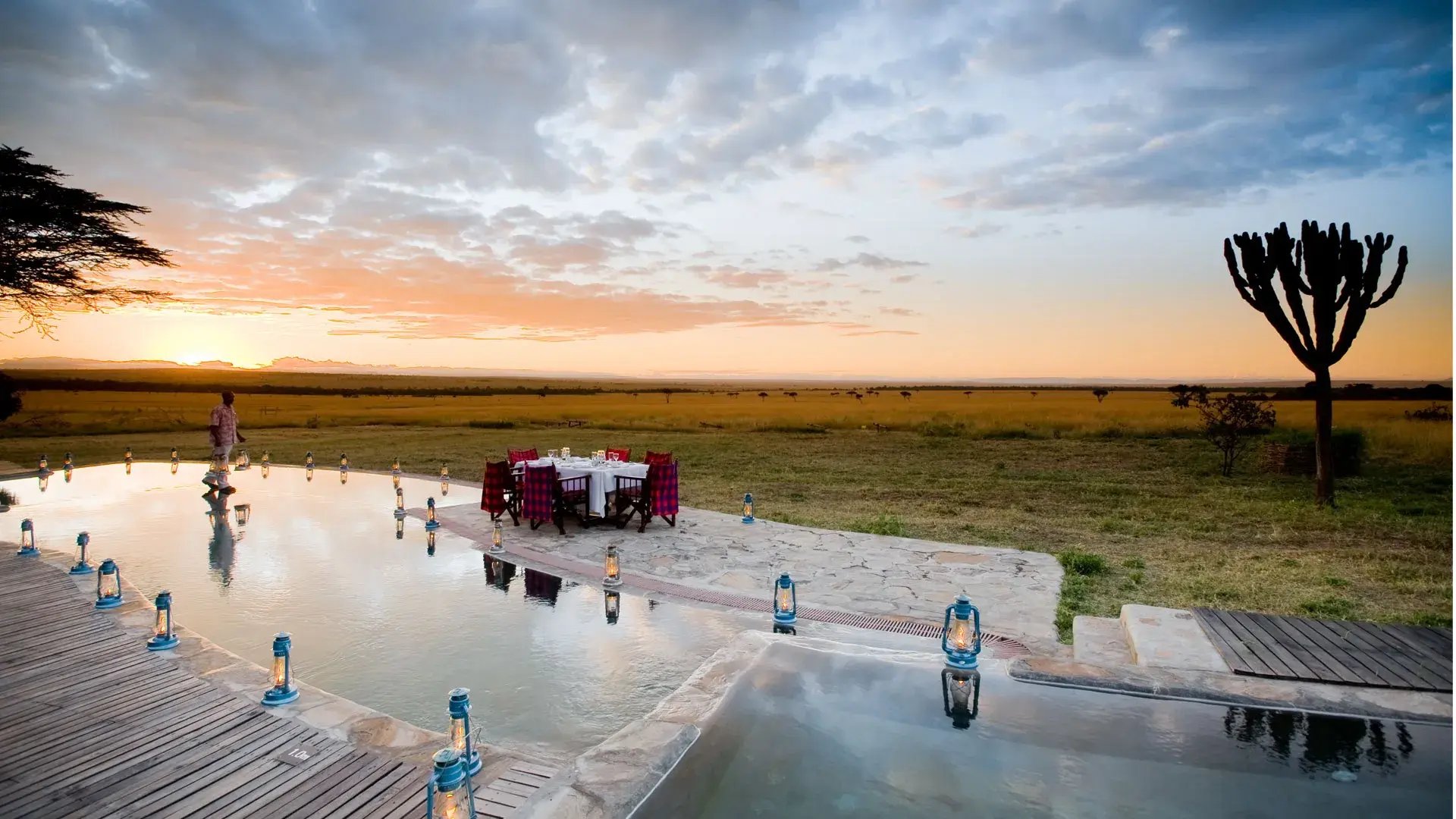
Karte zur Anreise
Kenya lies on Africa’s east coast and borders the Indian Ocean as well as Tanzania, Uganda, South Sudan, Ethiopia and Somalia. From Germany, Kenya is best reached by direct flight to Nairobi or Mombasa, with a journey time of around 8 to 9 hours. Travel within Kenya is usually by domestic flight, hire car or bus, allowing you to explore its varied landscapes and national parks.
Feel free to call us anytime!
Contact us.
During a personal consultation, we’ll work together to find the destination that best suits your needs.
Where should we go?
If you fill out the form, we can
prepare for the travel consultation as thoroughly as possible.
prepare for the travel consultation as thoroughly as possible.
Would you like to tell us more about your travel plans?
If you fill out the form, we can prepare for the travel consultation as thoroughly as possible.
Do you already know who will be traveling with you?
If you fill out the form, we can best prepare for our travel consultation.
When and for how long would you like to travel?
If you fill out the form, we can prepare for the travel consultation as thoroughly as possible.
Thank you very much!
Thank you very much. We have received your travel details and will address your request as soon as possible.
Tel. +49 8638 87552-30
E-Mail info@the-family-project.com
Would you rather not wait and schedule an appointment right away?
Where would you like to travel?
Multiple selections possible
What matters most to you?
Multiple selections possible
Which style do you prefer?
Multiple selections possible
Thank you very much!
Thank you very much. We have received your travel details and will address your request as soon as possible.
Tel. +49 8638 87552-30
E-Mail info@the-family-project.com
Would you rather not wait and schedule an appointment right away?